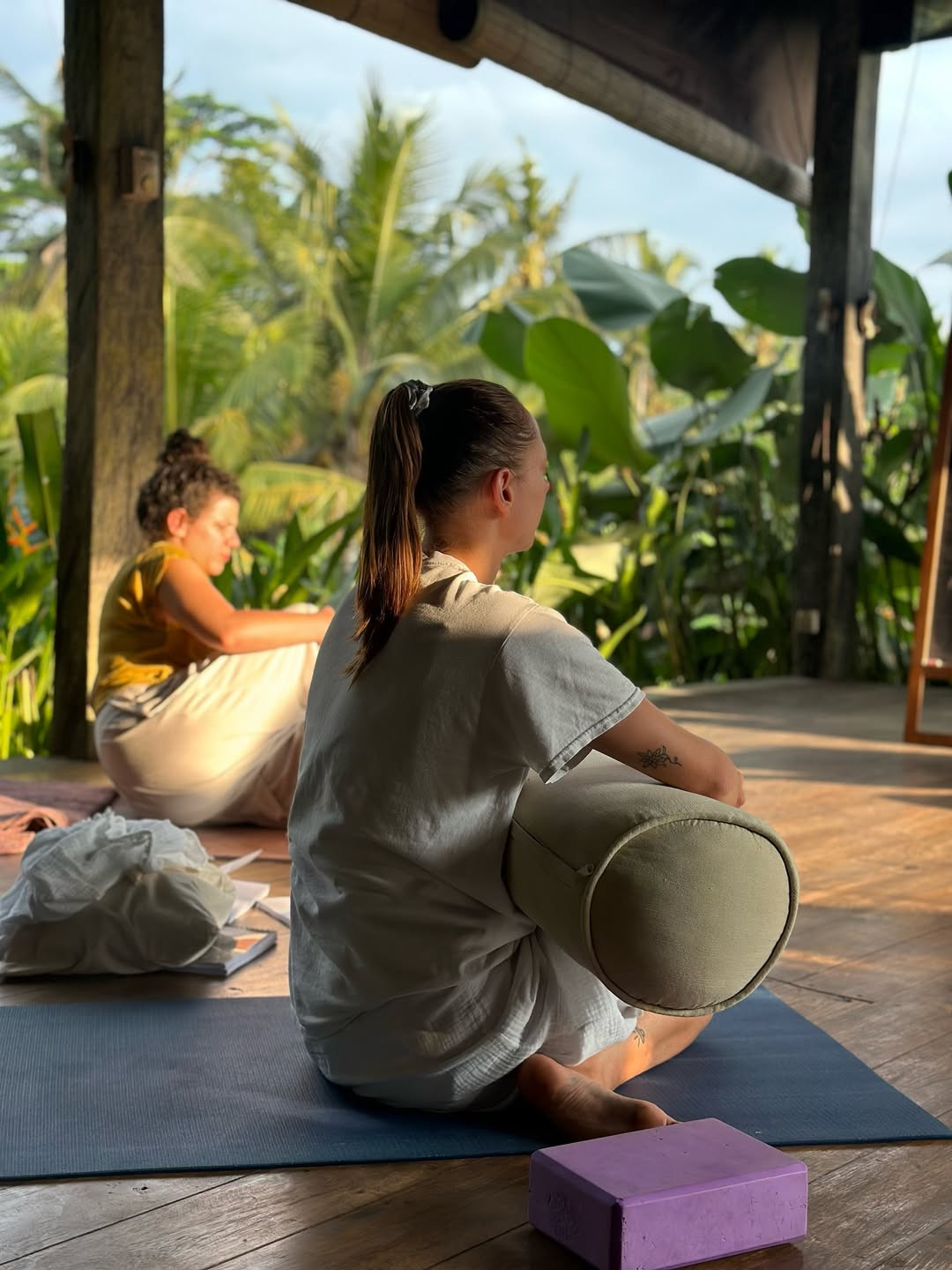
The 200-hour yoga TTC curriculum covers five core subjects: techniques and practice, teaching methodology, anatomy and physiology, philosophy and ethics, and a hands-on practicum. Understanding how those pieces fit together is the single best way to judge whether a course is genuinely high quality or simply well marketed.
Below we map each subject to the official Yoga Alliance categories, show how the hours typically split, walk through a real daily schedule, and explain where strong schools add depth that the minimum standard does not require.
The Yoga Alliance Curriculum Framework
Yoga Alliance sets minimum hour requirements across defined educational categories, so every accredited 200-hour curriculum shares the same backbone. That framework protects you as a student, because standardised categories let you compare schools fairly.
Under current standards, techniques, training and practice must account for at least 100 hours of the 200, which is half the course. Schools are also now required to formally assess trainees before certifying them, so a serious course will tell you up front how that assessment works. For how this fits the wider journey, see our complete 200-hour yoga teacher training guide.
Techniques, Training and Practice
Asana, pranayama and meditation
This is the largest block. You refine your asana practice across the major posture families, then learn pranayama, or breath control, and a range of meditation techniques. The result is twofold: a stronger personal practice and the actual techniques you will later teach.
Schools vary in emphasis here. Inner Yoga runs a roughly 60 percent Vinyasa and 40 percent Yin split, and teaches all 26 foundational Yin postures alongside functional anatomy, so graduates leave able to teach both a flowing and a slow, restorative style.
Teaching Methodology
Here you learn how to actually teach: cueing, demonstration, sequencing, use of voice, and both verbal and hands-on adjustments. This block is what turns a practitioner into a teacher, because without it you would simply demonstrate shapes rather than guide a room.
Look for methodology that is hands-on from day one. At strong schools you cue and receive feedback in the very first week, and voice activation work helps you find a teaching voice that is yours rather than a copy of your favourite instructor.
Anatomy and Physiology
Next you study practical, applied anatomy: how joints move, where common injuries occur, and how to keep different bodies safe. Because the knowledge is teaching-focused rather than abstract, you apply it immediately to real students with real limitations.
This is also where inclusive is built. A teacher who understands biomechanics can adapt a pose for a stiff hip, a sensitive knee, or a pregnant student, instead of pushing everyone toward one idealized shape.
Yoga Philosophy, Lifestyle and Ethics
This subject gives your teaching depth. You explore foundational texts such as the Yoga Sutras of Patanjali and the eight limbs of yoga, alongside yogic lifestyle and the ethics of teaching, including consent and professional boundaries.
Some schools extend philosophy into living wisdom traditions. Inner Yoga pairs yoga philosophy with Ayurveda and adds Traditional Chinese Medicine and meridian theory, so you can theme and sequence a class around organs, emotions and energy lines, not just postures.
Practicum: Real Teaching Practice
Finally, the practicum brings everything together. You teach your peers, lead full classes, and receive direct feedback from senior trainers. Yoga Alliance requires a minimum of supervised practice teaching, and in most cohorts students name the practicum as the most valuable part of the entire course.
Assessment is usually supportive rather than high-pressure. At Inner Yoga the final teaching assessment is run as a celebration class in week three, with your sequence prepared, notes allowed, and feedback already banked from earlier sessions. If you are worried about teaching for the first time, our guide on doing a 200-hour TTC with no experience explains how beginners get there.
How the 200 Hours Typically Split?
Here is an indicative split. Exact hours vary by school, so always ask for the specific breakdown before you book.
|
Subject area |
Indicative hours |
|
Techniques, training and practice |
100 or more |
|
Teaching methodology |
25 to 30 |
|
Anatomy and physiology |
20 to 30 |
|
Yoga philosophy, lifestyle and ethics |
30 |
|
Practicum and supervised teaching |
10 to 20 |
|
Electives and remaining contact hours |
Balance to 200 |
A Real Daily Schedule
Numbers on a page are abstract until you see how a day actually runs. This is a representative Inner Yoga training day, with rest deliberately built in and three full days off across the course.
|
Time |
Activity |
|
06:30 to 07:00 |
Meditation and pranayama |
|
07:00 to 08:30 |
Morning asana practice |
|
08:30 to 09:30 |
Breakfast |
|
09:30 to 11:30 |
Asana clinic and teaching practice |
|
11:30 to 13:00 |
Philosophy or anatomy |
|
13:00 to 14:00 |
Lunch |
|
14:00 to 15:30 |
Anatomy, philosophy or TCM |
|
15:30 to 16:00 |
Afternoon break |
|
16:00 to 17:30 |
Yin yoga clinic |
|
17:30 to 19:00 |
Yin yoga practice |
|
19:00 |
Dinner |
Ready to take the next step? Want to see exactly how every hour is structured? Explore the Inner Yoga 200-hour curriculum in detail and see how the modules build week by week.
Frequently Asked Questions
How many hours go to each subject in a 200-hour course?
Techniques and practice take the largest share, at least 100 hours under current standards, followed by philosophy, methodology, anatomy and practicum. Always ask a school for its exact hour split before booking.
Is there a final exam?
Most courses assess you through a mix of written reflection, a practical teaching demonstration and participation, rather than a single high-pressure exam. Yoga Alliance now requires schools to assess trainees before certifying them, so expect some form of evaluation.
Do I have to teach during the course?
Yes. The practicum requires supervised practice teaching, first to peers and then in full classes. This is essential for building real teaching confidence and is a Yoga Alliance requirement, not an optional extra.