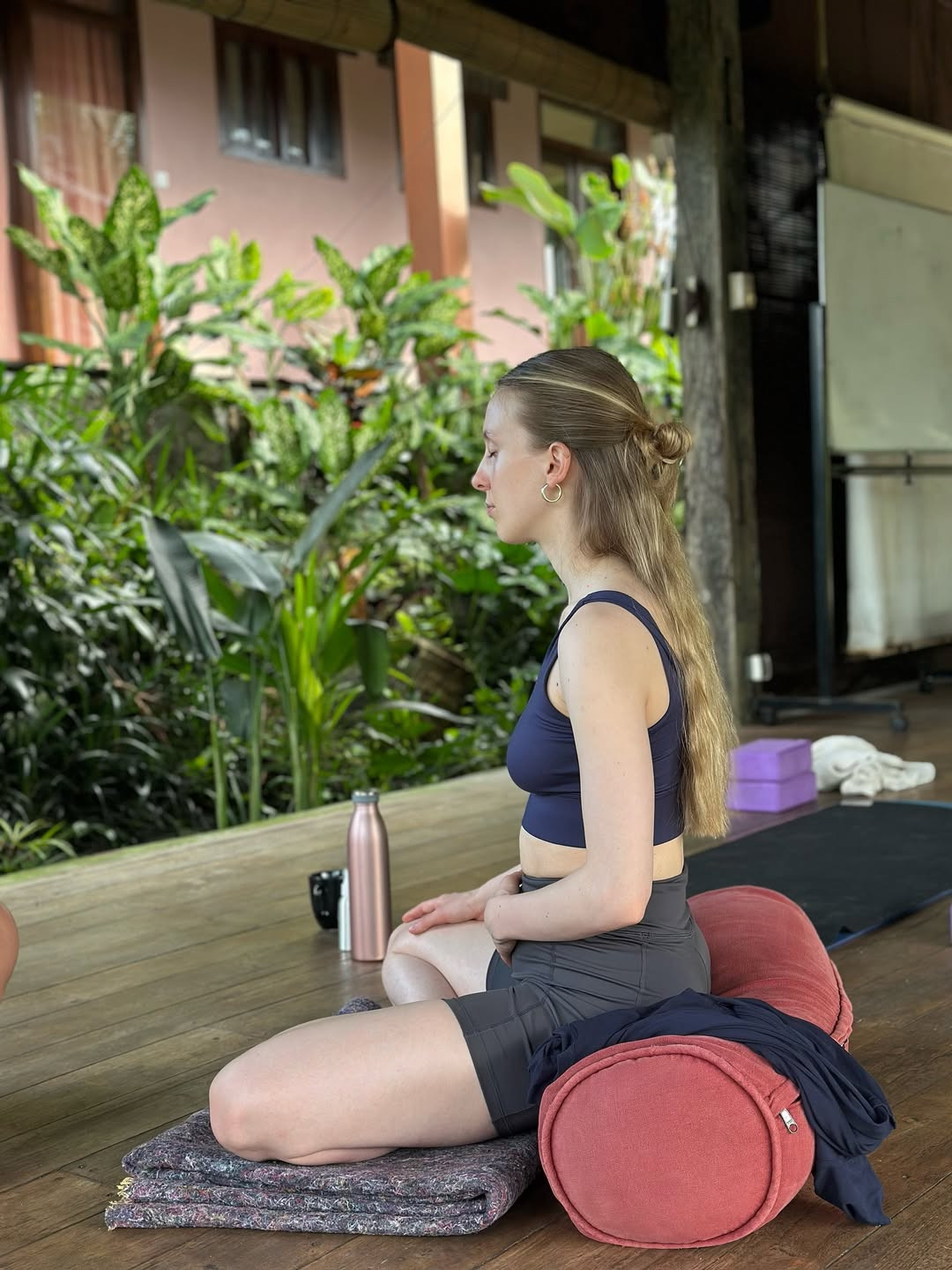
Yes, you can absolutely do a yoga teacher training with no experience of teaching. Beginners make up a large share of every cohort, and many of them become the most thoughtful, relatable teachers precisely because they remember what it feels like to start. At schools like Inner Yoga, around a third of students arrive with no plan to teach at all.
Still, that reassuring answer raises real questions. So below we explain what no experience actually means, the practice level you do need, the fears almost everyone shares, and how to walk in feeling ready rather than overwhelmed.
The Short Answer: Beginners Are Welcome
A 200-hour course is foundational by design, which means it assumes you are starting your teaching journey rather than continuing it. You do not need to have taught before, and you do not need advanced postures. What you need is commitment and an open mind.
This is not just marketing. The curriculum is built from the ground up, so a complete beginner and a long-time practitioner start the methodology and teaching modules at the same point. Everyone learns to cue, sequence and adjust from scratch, as our complete 200-hour Bali guide explains.
What No Experience Really Means?
No teaching experience is completely fine. Some familiarity with yoga as a practice, however, is expected. In other words, you should have practised yoga, even if you have never taught it. That single distinction is what reassures most nervous beginners.
Good schools are honest about this line. Inner Yoga's founder, Georgina Watson, an E-RYT 500 teacher, speaks personally with every applicant before they book, partly to make sure the timing is right and partly to set realistic expectations about the intensity of a three-week immersion.
The Practice Level You Do Need
As a rough guide, around six months of regular practice is plenty. You should feel reasonably comfortable in common postures and able to practise for a couple of hours a day, since the daily schedule is physical.
You do not need to touch your toes or hold a headstand. In fact, students in small groups regularly achieve poses in the first week that they had been chasing for years, because focused, specialist feedback accelerates progress in ways a weekly class cannot. If life has interrupted your practice, that is usually fine too, as the training itself rebuilds it.
Common Fears, and Why They Are Unfounded
Most beginners arrive carrying the same four worries. Naming them tends to dissolve them.
• I am not flexible enough. Flexibility is a result of practice, not a prerequisite for it. It develops steadily throughout the course.
• Everyone will be more advanced. Cohorts are deliberately mixed, and the curriculum starts from foundations. Most students are quietly thinking the exact same thing.
• I will not be able to teach. Teaching is a skill you build step by step in the practicum, with feedback every day. By week three almost everyone surprises themselves.
• I am too old or too new. Students of every age and background thrive in a 200-hour course. Commitment matters far more than your starting point.
What About Injuries or Limitations?
A genuine practical concern, and one good schools plan for. Yoga Alliance generally expects full attendance for certification, but a reputable school will ask you to attend and observe on any day an injury prevents practice, so you still absorb the teaching.
Tell the school about any injury when you book, not on arrival. Inner Yoga's teachers are experienced with a wide range of physical needs and will prepare modifications in advance, which is far easier than improvising on day one.
How to Prepare if You Are a Beginner?
Preparation calms nerves and builds momentum. Practise consistently in the weeks before you arrive, read a little philosophy so the lectures feel familiar, and sort your travel logistics early. For a full plan, see how to prepare physically and mentally for a 200-hour TTC.
What Beginner Graduates Actually Experience?
The arc is remarkably consistent. Beginners arrive nervous, find their footing within days, and leave teaching with real confidence. One Inner Yoga graduate, Marek, taught his first class to twelve people just six weeks after returning from Bali, something he could not have imagined half a year earlier.
Of course, every journey looks different. To read more first-hand experiences, see the graduate stories from our 200-hour training.
Ready to take the next step? Starting from scratch is exactly who our beginner-friendly 200-hour course is built for. Reserve your place or book a free call with Georgina and the Inner Yoga team and take the first confident step toward teaching.
Frequently Asked Questions
Do I need to do advanced poses to enroll?
No. You do not need advanced postures or deep flexibility. A consistent practice and a willingness to learn matter far more than what your body can already do, and the curriculum starts from foundations.
How long should I have practised before a 200-hour course?
Around six months of regular practice is usually enough. The course is foundational, so it builds your skills from a solid but modest base. If you have practised consistently, you are ready.
Will I keep up with more experienced students?
Yes. Cohorts are intentionally mixed and teachers tailor guidance to different levels. In a small group capped at 18, beginners get the individual attention they need to progress alongside everyone else.