Choosing a yoga teacher training in Bali isn't about finding the single "best" school it's about finding the right one for you, then verifying it's run well. The market is crowded and the marketing is glossy, so the smartest approach is a clear set of criteria you apply to every option. This framework gives you exactly that, ending with a checklist you can take into any enquiry call.
Start With Accreditation (Yoga Alliance & RYS status)
Before anything else, confirm the school is a Registered Yoga School (RYS) with Yoga Alliance, the most widely recognised standard. RYS status means the curriculum meets minimum hour and content requirements and that, on graduating, you can register as an RYT 200 and teach in most countries and studios. Ask for the school's RYS listing and verify it directly rather than taking a logo on a website at face value.
Look Closely at the Curriculum & Contact Hours
A strong syllabus balances the four core areas, asana and alignment, anatomy, philosophy, and teaching methodology and is honest about how those 200 hours are distributed. Be wary of programs that are almost entirely asana with little teaching practice, or that pack so much into a short window that there's no time to absorb anything. Ask how many hours you'll actually spend teaching and being observed, because that practicum time is where confidence is built.
Vet the Lead Teachers' Credentials & Experience
You're really buying access to the lead trainers, so find out who they are. Look for senior, experienced teachers (an E-RYT designation indicates accumulated teaching hours), a clear lineage or training background, and a teaching style that resonates with you. A school that won't tell you who is teaching your course, or that relies heavily on rotating guest teachers you'll barely meet, is a yellow flag.
Class Size, Style & Teaching Ratio
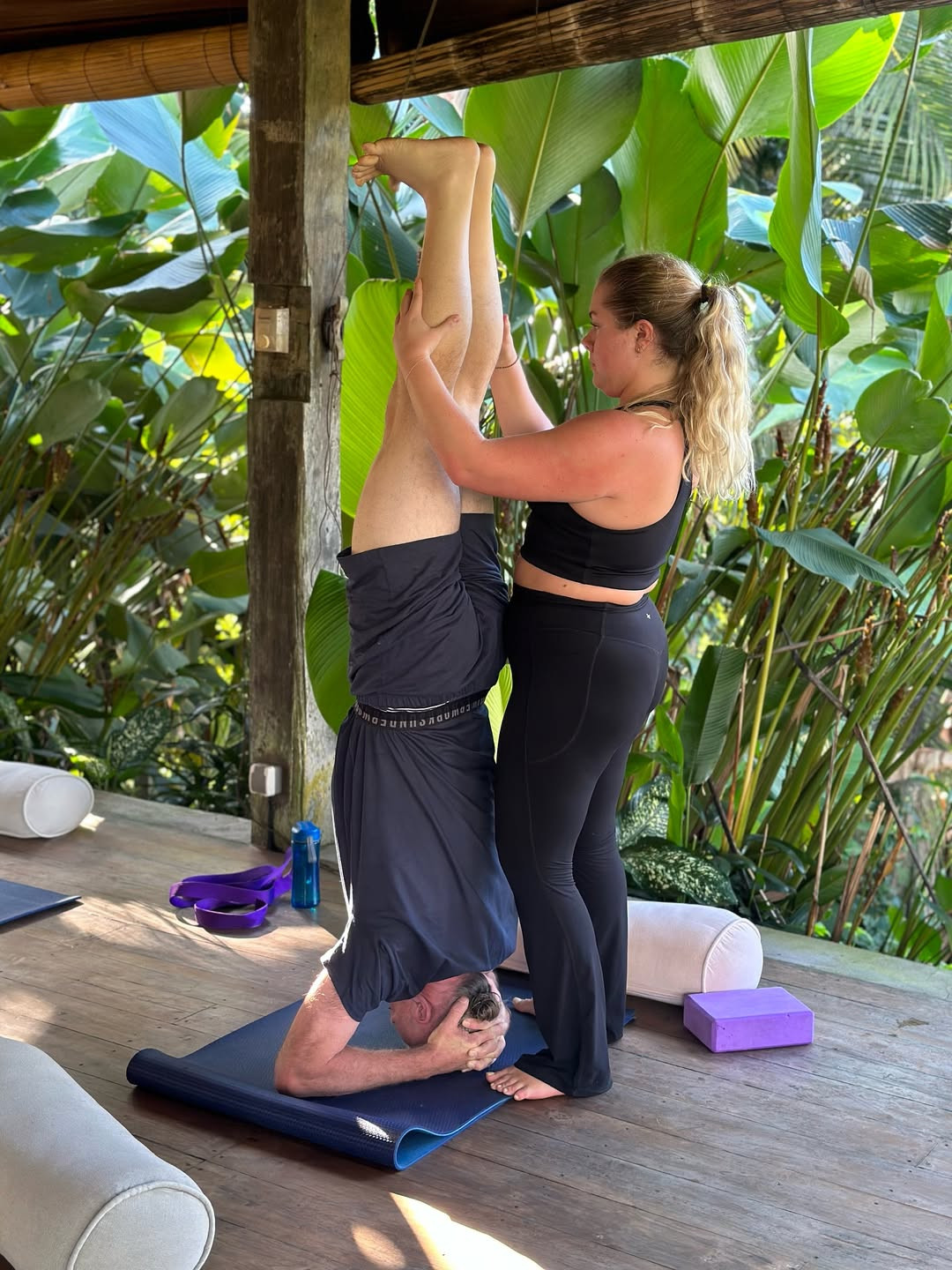
Smaller cohorts mean more individual attention, more time to teach, and more feedback. Ask for the typical group size and the student-to-teacher ratio. Also confirm the style being taught Hatha, Vinyasa, Yin, or a blend matches what you want to practise and eventually teach. A versatile foundation is valuable, but the emphasis should suit your goals.
Location: Ubud vs Canggu vs Coastal Bali
Match the setting to your learning style
Ubud is inland, lush, and quiet ideal if you want a focused, spiritual immersion surrounded by jungle and temples. Canggu and the coast are livelier and more social, with surf and cafés nearby, which some students love and others find distracting. There's no wrong answer; there's only the environment that helps you concentrate. Picture how you'll want to spend your evenings and rest day, and choose accordingly.
Read Reviews the Right Way
Spotting genuine vs incentivised review
Reviews matter, but read them critically. Look for specific, detailed accounts that mention teachers by name, describe the daily schedule, and note both strengths and minor frustrations real experiences are rarely flawless. Be cautious of clusters of generic five-star reviews posted in a short window, or testimonials that read like marketing copy. Cross-reference across independent platforms and, where possible, ask the school to connect you with a recent graduate.
Cost Transparency & What's Bundled I
A trustworthy school states clearly what the price includes tuition, materials, accommodation, meals and what it doesn't. Vague pricing, surprise add-ons, or pressure to pay quickly are warning signs. Compare like with like: a higher headline price that includes private accommodation and all meals may be better value than a cheaper course where everything is extra. Our cost breakdown article shows how to compare total cost rather than sticker price.
Red Flags That Signal a Weak Program
• No verifiable Yoga Alliance / RYS registration.
• Reluctance to name the lead teachers or share their experience.
• Very large cohorts with little stated teaching practice.
• Pricing that hides major costs until after you've committed.
• High-pressure sales tactics or constantly "expiring" discounts.
• Only generic, recent, suspiciously uniform reviews.
Your School-Selection Checklist
Use this quick checklist on every shortlisted school before you decide:
1. Confirmed RYS status with Yoga Alliance.
2. Clear, balanced curriculum with stated practicum hours.
3. Named, experienced lead teachers whose style suits you.
4. Cohort size and teacher ratio you're comfortable with.
5. Location that matches how you learn best.
6. Detailed, credible reviews from real graduates.
7. Transparent, all-in pricing with no hidden extras.
8. A clear deposit and refund policy in writing.
Tip: Save or print this checklist and score each school out of eight. It turns an overwhelming decision into a simple comparison.
Frequently Asked Questions
Q: Does the school need to be Yoga Alliance registered?
A: To teach internationally and register as an RYT, yes, choose a Registered Yoga School. Non-registered courses may still be educational, but they limit where and how you can teach afterward.
Q: How many students per teacher is ideal?
A: Smaller is generally better. A low student-to-teacher ratio means more feedback and teaching time. Ask for the typical cohort size and how many lead teachers are present throughout.
Q: Are cheaper schools ever a good choice?
A: Yes, price alone doesn't determine quality. A lower-cost school with strong accreditation, good teachers, and honest reviews can be excellent. Compare total value, not just the headline number.