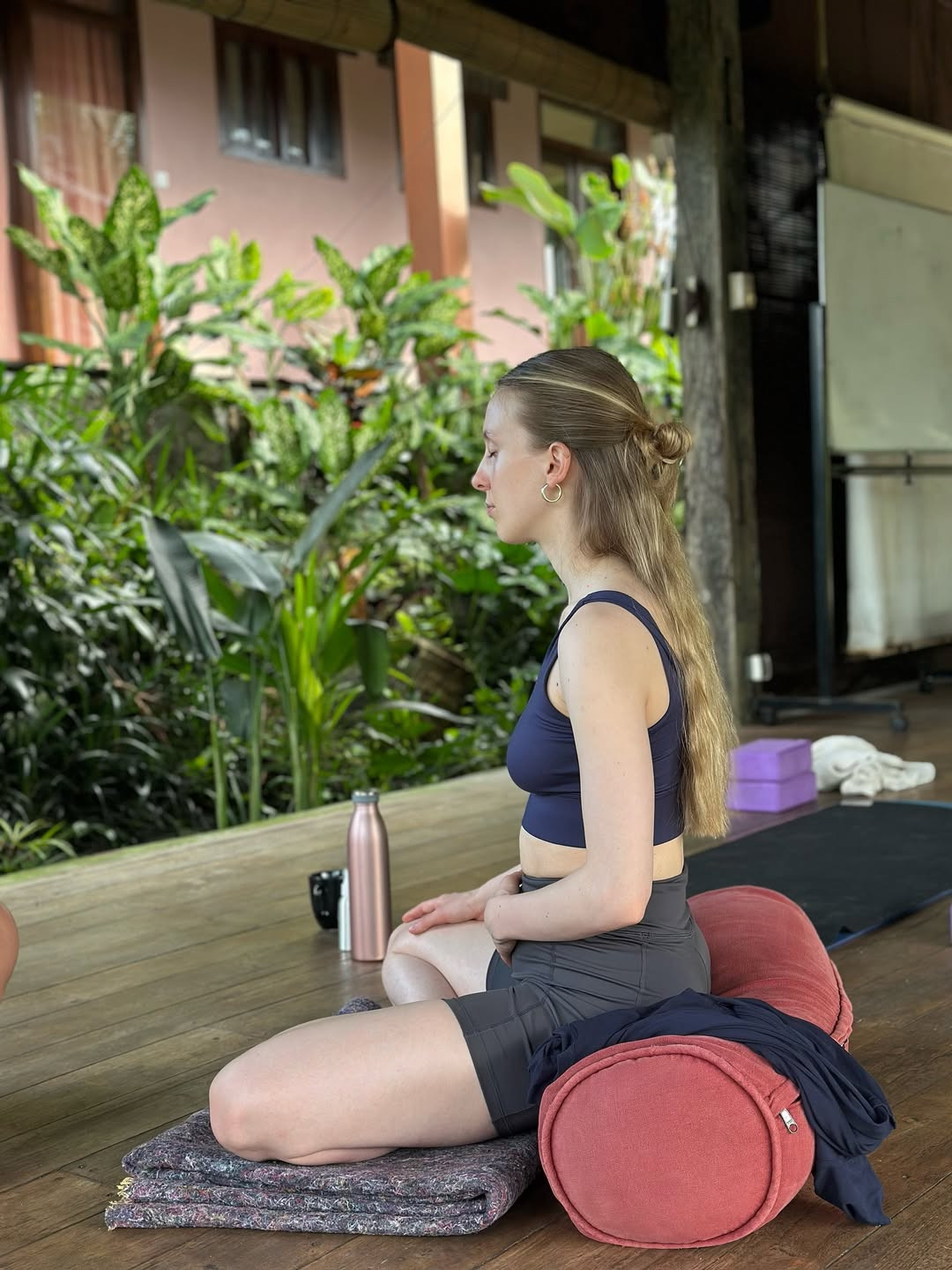
A 200-hour yoga teacher training in Bali in 2026 typically costs between roughly USD 1,500 and USD 4,000 for tuition with shared accommodation and meals included, with budget courses below that range and premium retreats above it. But tuition is only part of the real cost flights, visa, insurance, and spending money can add another USD 1,000 to 2,500 on top. This breakdown shows where every dollar goes so you can budget accurately.
The Short Answer: Typical Price Ranges in 2026
Budget vs mid-range vs premium
Bali offers training at almost every price point. As a rough guide for a residential 200-hour course with accommodation and meals included: budget programs sit at the lower end, mid-range programs in the middle, and premium courses — boutique shalas, private rooms, smaller cohorts, and renowned teachers — at the top. The differences usually reflect accommodation quality, group size, teacher seniority, and the level of extras included.
What the Tuition Usually Covers?
At most reputable schools, the tuition fee includes the full training hours, your course manual and materials, certification on completion, and access to the shala and equipment. Many residential programs also fold in accommodation and meals, which is why their headline prices look higher than online or non-residential options. Always confirm exactly what "tuition" means at each school before comparing numbers.
Accommodation & Meals: Included or Extra?
This is the single biggest variable in any quote. Some schools include shared accommodation and daily meals in the price; others charge tuition only and leave you to arrange lodging and food. A course that looks expensive may actually be cheaper once you factor in a month of accommodation and eating out. When comparing, always convert every option to a true all-in figure for the full course duration.
The Hidden Costs People Forget
Beyond tuition, several costs catch first-time students by surprise. Budget for them from the start.
Flights, visa, travel insurance
International flights vary widely by origin and season. You'll also need an appropriate visa for a month-long stay, and comprehensive travel insurance that covers your activities and medical care non-negotiable for a trip of this length.
Local transport & spending money
Airport transfers, scooter or driver hire on rest days, and everyday spending on extra food, drinks, and treats all add up over three to four weeks.
Optional excursions & extras
Temple trips, waterfall visits, massages, and weekend travel are part of the Bali experience but usually sit outside the course fee. Set aside a discretionary amount so you're not forced to skip them.
Full Sample Budget (Table)
Here's an illustrative all-in budget for a mid-range 200-hour residential course. Figures are estimates in USD and will vary by school, season, and where you fly from replace them with real quotes as you plan.
|
Cost item |
Estimated range (USD) |
Notes |
|
Tuition (incl. accommodation & meals) |
2,000 – 3,200 |
Mid-range residential, shared room |
|
Return international flights |
600 – 1,400 |
Highly origin- and season-dependent |
|
Visa |
Varies |
Confirm current requirements for your stay |
|
Travel & medical insurance |
60 – 200 |
Full course duration, activity cover |
|
Airport transfers & local transport |
50 – 150 |
Across the full stay |
|
Personal spending & extras |
300 – 700 |
Food out, treatments, excursions |
|
Estimated total |
~3,000 – 5,650 |
Excluding premium upgrades |
Payment Plans, Deposits & Early-Bird Discounts
Most schools secure your place with a deposit, with the balance due before or on arrival. Many offer early-bird discounts for booking well ahead, and some provide instalment plans to spread the cost. Always get the deposit amount, payment schedule, and refund terms in writing before you pay anything.
Bali vs India vs Elsewhere: Cost Comparison
India is often the cheapest destination for a 200-hour training and the traditional birthplace of yoga, while Bali typically costs more but offers higher-end accommodation, polished facilities, and an easier travel experience for many Western students. Destinations like Thailand, Costa Rica, or Europe generally sit at or above Bali's price level. Bali tends to win on the balance of value, comfort, and atmosphere rather than on being the absolute cheapest.
Is It Worth the Investment?
For most graduates, the answer is yes but the value isn't only financial. A 200-hour training gives you a recognised teaching qualification, a transformed personal practice, and an immersive experience that's hard to replicate at home. If your goal is to teach, the certification pays back over time; if your goal is personal growth, the depth of the immersion is the return. Either way, budgeting honestly upfront is what keeps it a great memory rather than a financial stress.
Frequently Asked Questions
Q: Are flights included in the course price?
A: Almost never. Tuition typically covers training, materials, and often accommodation and meals, but international flights are always your own cost to budget separately.
Q: Can I pay in instalments?
A: Many schools offer instalment plans or at least a deposit-plus-balance structure. Ask about payment options and get the schedule in writing before committing.
Q: Why are some Bali courses so much cheaper?
A: Usually because they include less — shared dorms instead of private rooms, fewer meals, larger cohorts, or junior teachers. Compare the full inclusions, not just the headline price.